I'm writing this right after visiting BugBoom and Vidacity on December 9th. My thoughts are still a bit scattered, but I wanted to get them down while they're fresh. Not because I have answers for you, but because I'm still processing what I saw.
What I Thought I Knew
Before this visit, I had a pretty standard idea of how startups work. You find a gap in the market and you validate the demand. You build a product, pitch to investors, and chase growth. I've read articles on billion dollar unicorn startups, and absorbed the lean startup gospel. I thought startups and entrepreneurship meant the same thing. But it turns out that I was only seeing part of the picture.
What I Actually Saw
Before I heard about BugBoom's personal story first-handedly, I thought they were just like any other sustainability company out there, nothing new. But then the founders started sharing their end of the story — what motivated them, what they were working towards, what their own vision was. And I realized they weren't thinking about market size or exit strategies. They were thinking about what Singapore could look like in 20 years if we don't change how we deal with waste. We usually live in a linear world: we take, we use, and we dispose (usually to incineration). BugBoom is actively fighting to close that loop and create a circular value chain. By auditing waste from producers (F&B outlets) and transforming it into fertilizer and animal feed, they are turning "End of Use" waste back into "New Production" inputs.
The focus was not on how profitable the startup will be, but rather being the driving force towards a sustainable waste management ecosystem. They are tackling massive problems: Responsible Consumption (SDG 12) and Zero Hunger (SDG 2). This is fighting the industry norm of incinerating food waste, an unsustainable practice driven by cost concerns. Unlike my narrow vision of startups being business ideas that are profit-driven, they were actually driven by a noble cause of sustainability.
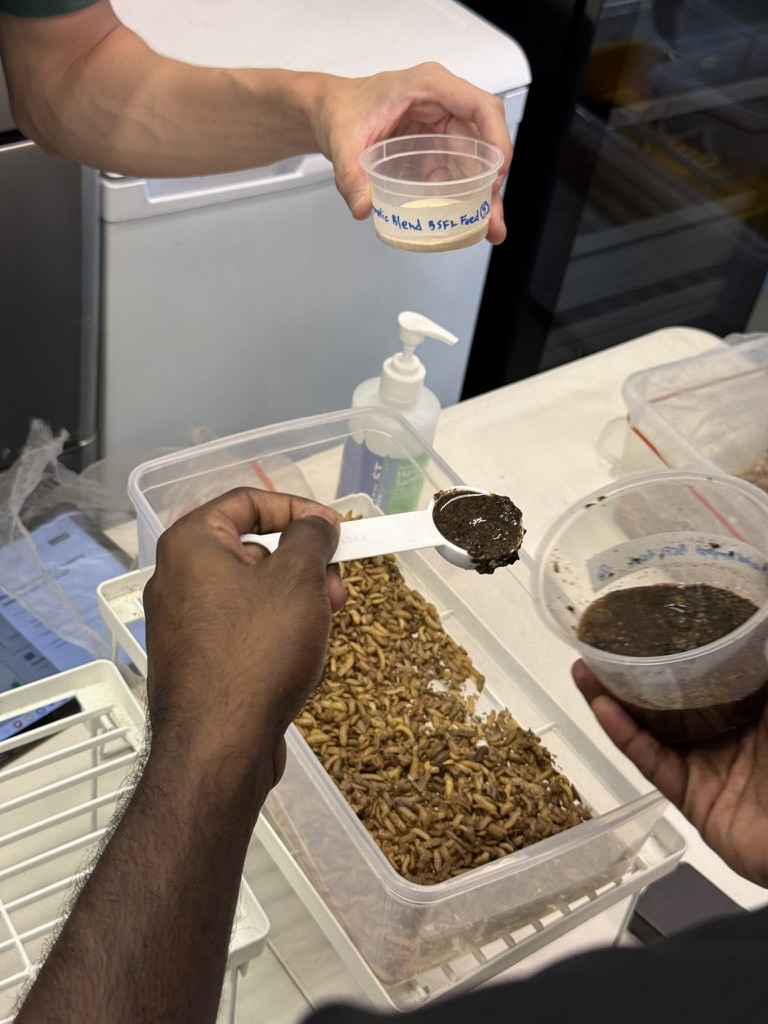
The thing that got me was this: the founders used to be NTU students. They sat in the same lecture halls I sit in now. They probably complained about the same canteen food and stressed about the same deadlines. And now they're running a company built around something they genuinely believe in. I kept thinking, that could've been me. Or someone I know. They're not some mythical figures from Silicon Valley. They're just people who decided to do something about a problem they cared about; they took that brave step from ideating to executing.
We didn't start BugBoom because we saw a business opportunity. We started it because we couldn't stop thinking about the problem.
— BugBoom FounderOne of them said something I haven't been able to shake. I've been chewing on that ever since.
The Thing About Purpose
I always assumed that successful startups start with a solid business model, plans to scale rapidly, to move fast and break things in the pursuit of profitability. BugBoom didn't really start that way, instead, they started with a vision for a greener Singapore. The mission came first, while the business model came later. And I think that's what keeps them going.
Because from what their stories during the tour, their early days weren't glamorous. There was lots of uncertainty in securing clients, and lots of moments where it probably felt like nothing was working. If they were only in it for the money, I don't think they would've lasted. But they weren't. They were in it because the problem mattered to them, and I believe that that's a different kind of motivation.
I'm still thinking about what that means for me. I don't know if I have a problem I can't stop thinking about yet. Maybe I do and I just haven't recognized it. Or maybe I need to pay more attention to what actually bothers me about the world instead of just looking for opportunities.
Though profitability can be important for many startups, there can be many other ways startups can utilize to remain in the industry. BugBoom is undergoing the process of possibly patenting their idea and also working with NTU to push for more sustainable waste management practices. The path to profitability and financial success is still quite far off for BugBoom, even when they have developed most of the required technology. As one of the founders mentioned, "Our vision will take at least a decade to come into fruition."
What Vidacity Taught Me
Bugboom is supported by Vidacity, an organization that supports startups, giving founders space to test proof of concepts, offer facilities, and an environment to experiment without risking everything on day one.
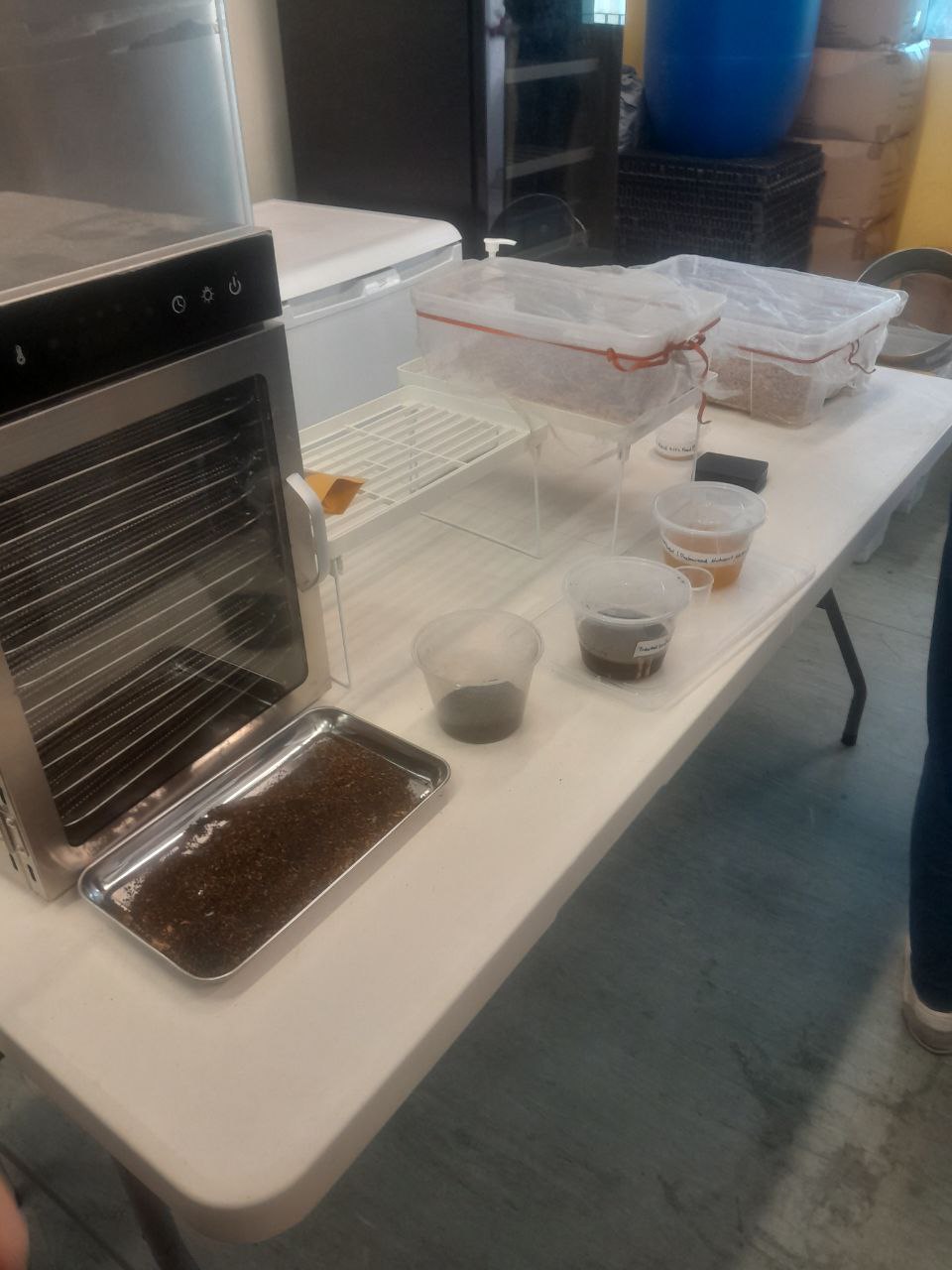
Before this visit, I don't think I fully appreciated how important that kind of support is. I had this image of entrepreneurship as a solo journey: the visionary founder against the world, hustle culture, grinding alone. But it did not have to be that way.
The BugBoom founders talked about how having that support early on made a real difference. Having a physical space to work and iterate. Having a community that understood what they were going through. It made me realize that the ecosystem matters as much as the idea. You can have the best concept in the world, but without the right support, it's hard to get it off the ground. And you don't have to do it alone. In fact, you probably shouldn't.
My Takeaways
I walked into this visit expecting to learn about business models and growth strategies. I walked out thinking about purpose and what actually drives people to build something from nothing; what was at the core of entrepreneurship. A few things are clearer to me now:
- The why matters more than I thought. It's not just a nice-to-have or something you put on a pitch deck, it is the thing that sustains the whole operation.
- Support systems like Vidacity also matter.
- You don't need to have it all figured out to start. The BugBoom founders didn't. They just had a problem they cared about and a willingness to try.
I wanted to share this with you, future founder, whoever you are. Not as advice, just as what I saw and what I'm still thinking about.